
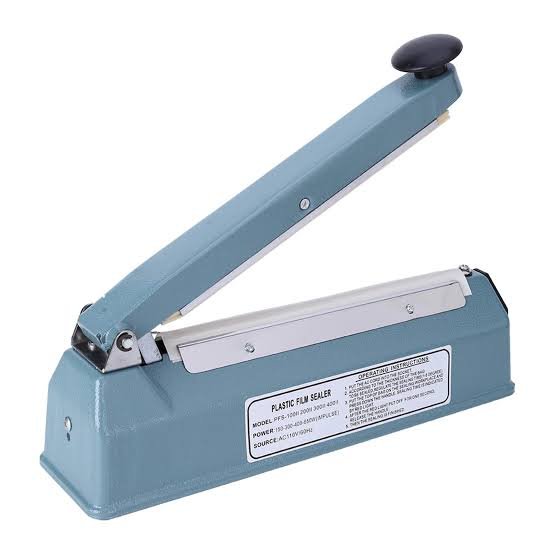
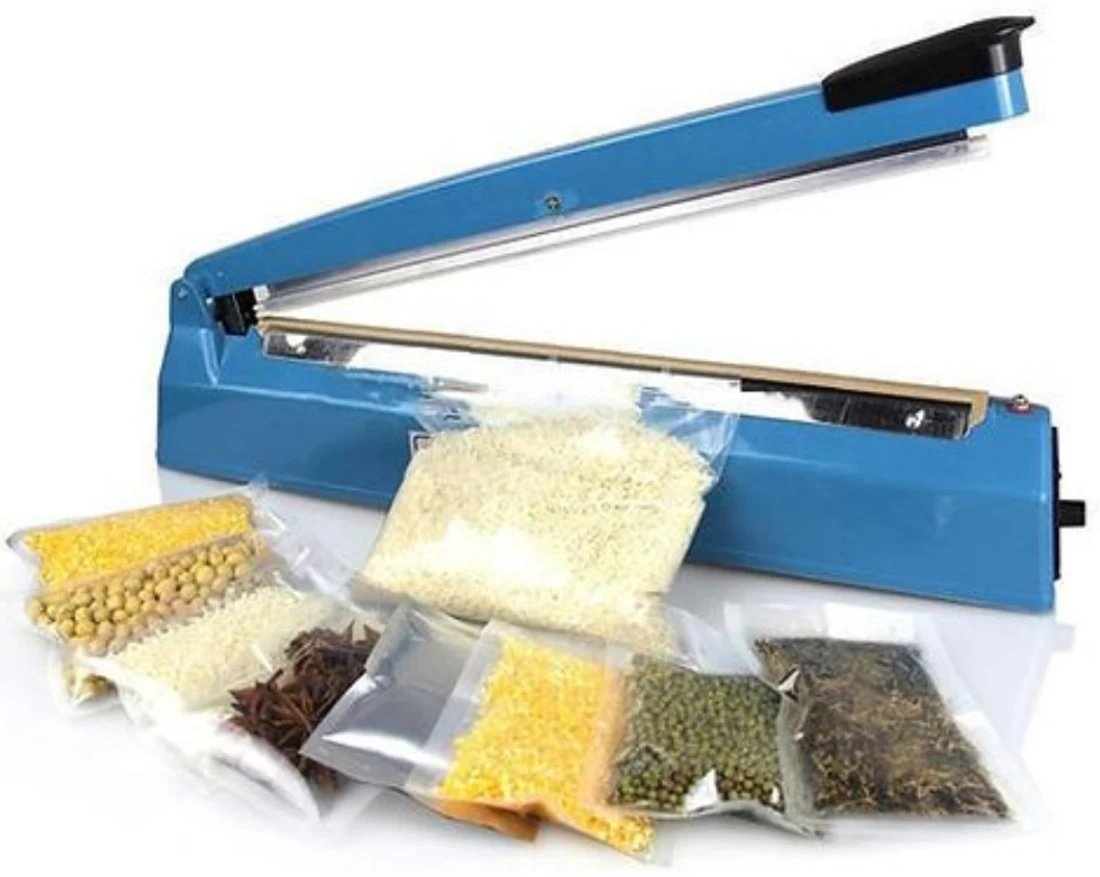
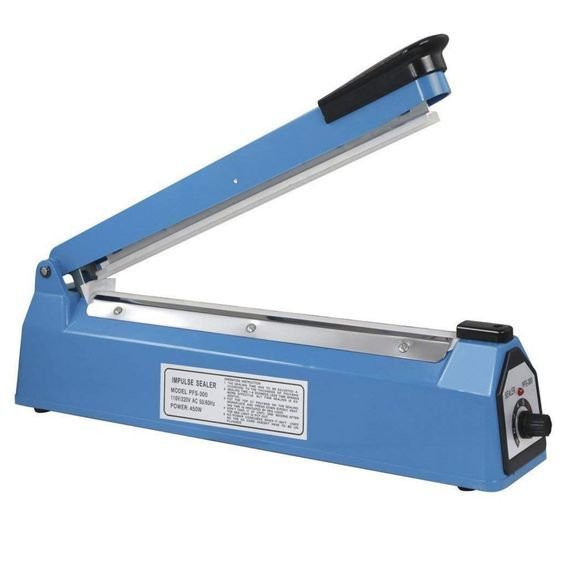
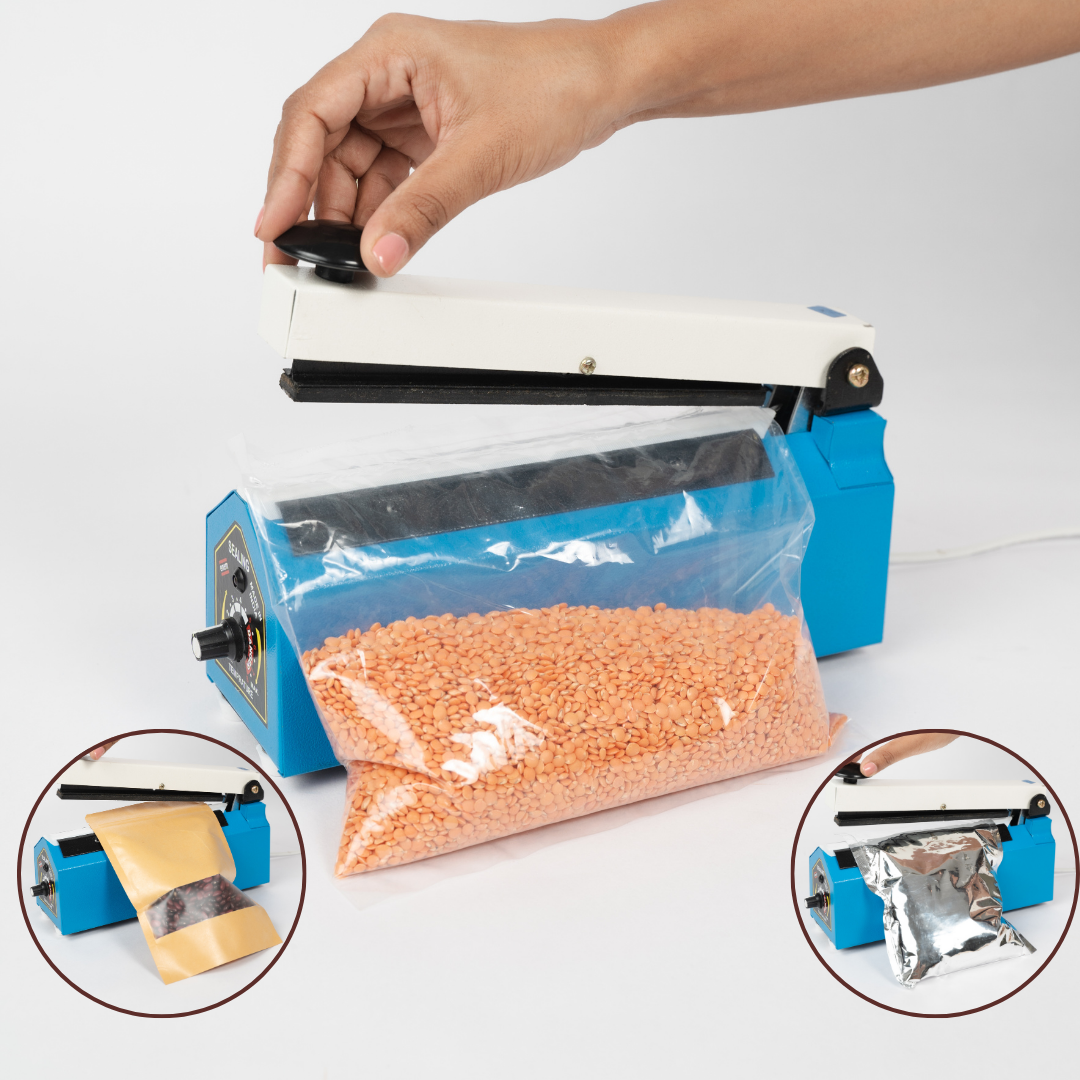

An impulse sealer machine uses a quick burst (impulse) of heat from a wire to seal plastic bags, requiring no warm-up or cool-down, making it efficient for packaging various items like food, liquids, or retail goods. These machines range from small, handheld units for home use to large, industrial foot-operated models for high-volume production, offering adjustable settings for different materials like PE, PP, and foils. They work by applying heat and pressure for a short duration, creating a strong, airtight seal, and often include features like cutters for convenience.
How it works
No warm-up: Unlike continuous heat sealers, impulse sealers heat up instantly when activated and cool down immediately after the impulse, saving time.
Heating element: A heating wire (often nickel-chrome) creates a precise burst of heat.
Sealing: The jaw presses down on the plastic bag, melting the layers together for a strong bond.
Adjustable settings: A timer controls the heating time, allowing for different bag thicknesses and materials.
Common uses
Sealing food (freshness)
Packaging retail products
Sealing liquids, powders, and pharmaceuticals
Creating weather-proof packaging
Key components
Heating Element: The wire that gets hot.
PTFE Cover: A non-stick layer over the wire.
Timer: Controls the heat duration (seconds/milliseconds).
Cutter (optional): A blade to trim excess bag material.




Reviews
There are no reviews yet.